Form 5695 instructions for battery storage
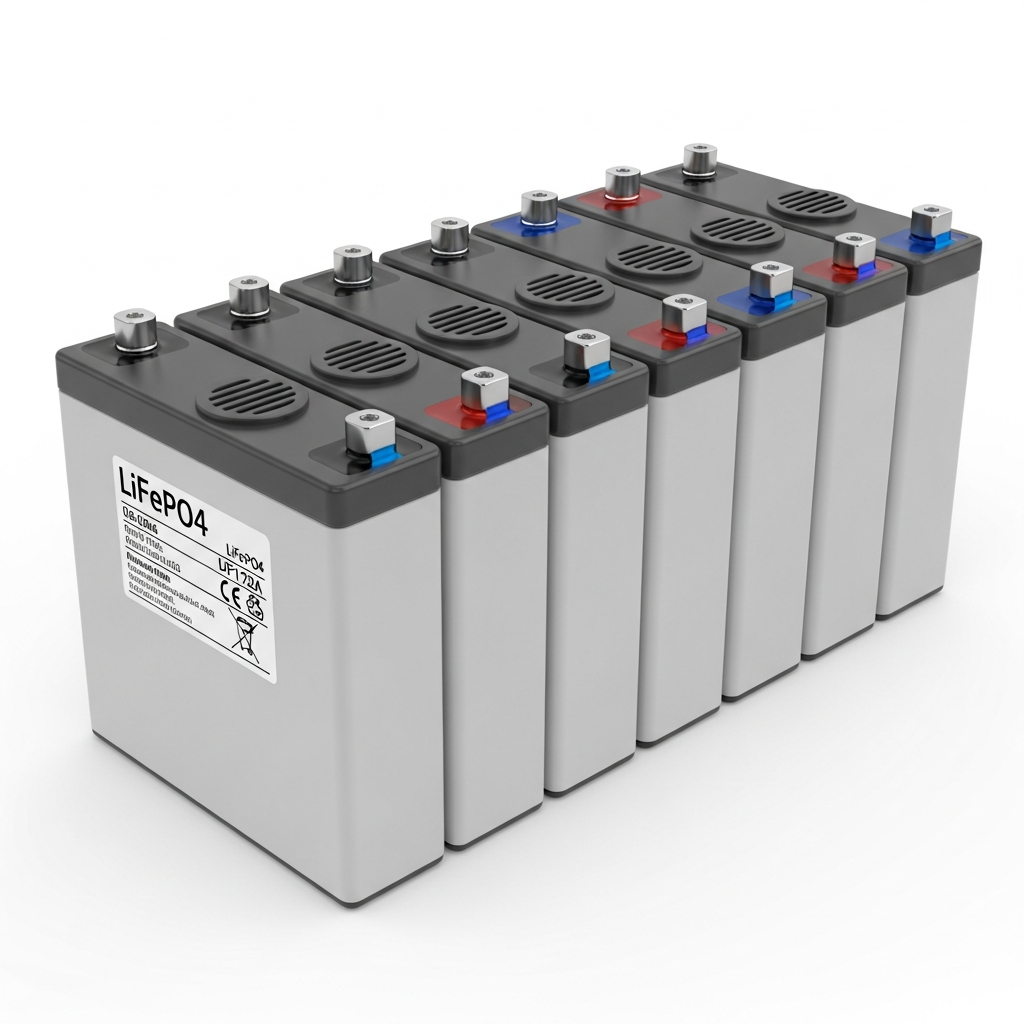
For a qualifying battery installation completed in 2025, qualified costs go on line 5b of 2025 Form 5695. The 30% calculation is only the starting point: the form also applies your tax-liability limit and calculates unused credit carried into 2026. A battery installed after December 31, 2025 does not earn a new Section 25D credit.
Updated September 30, 2026. This walkthrough uses the 2025 form and instructions, not a promise about future line numbers. For older claims or amendments, use the applicable tax-year form. Use the 2025 Form 5695 PDF with the IRS instructions; the battery storage tax credit guide explains the broader rules.
ShelterVolt provides general information about backup systems. A tax professional should determine how the rules apply to your return.
Check eligibility and timing before entering costs
Standalone battery storage became an eligible category in 2023, so do not treat every battery installed in 2022 or earlier as eligible under these rules. For a 2025 claim, the technology must have at least 3kWh capacity and be installed in connection with a U.S. home. Meeting the capacity threshold alone does not prove that the project qualifies.
The IRS treats existing-home costs as paid when original installation is completed. Costs connected with constructing or reconstructing a home use when your original use of that home begins. The IRS termination FAQ, question 7 confirms that prepayment in 2025 does not preserve a credit for a project installed or constructed after the cutoff.
Check the full instructions for home requirements, joint occupancy, business use, cost adjustments, and other applicable rules. For portable equipment, read the portable battery credit guide before assuming a particular connection establishes eligibility.
The 2025 Part I calculation
Part I calculates the Residential Clean Energy Credit under Section 25D. Part II concerns the separate Energy Efficient Home Improvement Credit; do not enter battery storage there.
| 2025 Form 5695 line | What it does |
|---|---|
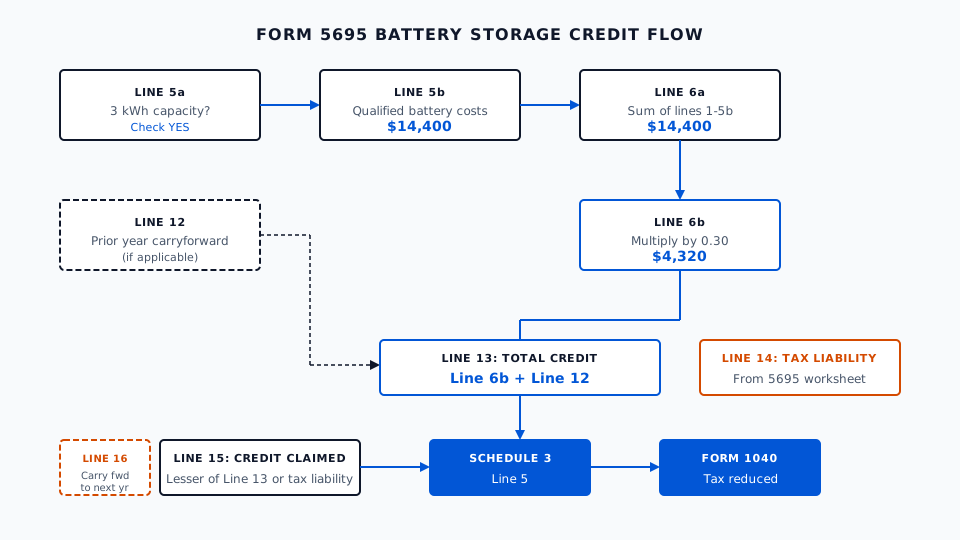
| 5a | Asks whether battery storage capacity is at least 3kWh; answer from your actual equipment records |
| 5b | Records qualified battery storage costs if the capacity requirement is met |
| 6a | Adds lines 1 through 5b |
| 6b | Multiplies line 6a by 30% |
| 12 | Records the residential clean energy credit carryforward from 2024 |
| 13 | Adds lines 6b, 11, and 12; line 11 concerns qualifying fuel cell property |
| 14 | Records the limit calculated using the instructions’ credit-limit worksheet |
| 15 | Takes the smaller of lines 13 and 14; this goes to Schedule 3, line 5a |
| 16 | Calculates unused credit carried into 2026 |
If battery storage is your only qualifying property and you have no fuel cell credit, line 13 combines line 6b and any line 12 carryforward. Use the actual form rather than skipping lines based on a simplified example.
The credit is nonrefundable: it is capped by the applicable tax-liability limit. It can still increase a refund of tax already withheld or paid. The limit is not simply the balance due before filing; use the worksheet, which accounts for other credits.
Review qualified costs rather than the whole invoice
The IRS instructions allow qualified battery storage costs and labor properly allocable to preparation, assembly, or original installation, plus piping or wiring that connects qualifying property to the home.
Ask for an itemized invoice. Broader panel work, financing, warranties, permits, shipping, or bundled services need their own review; this guide does not automatically classify every charge. Public-utility subsidies excluded from gross income reduce the cost used to calculate the credit, including subsidies received by a contractor on your behalf.
For a hypothetical qualifying 2025 battery-only installation with $14,400 of qualified costs after adjustments and no prior carryforward, line 6b is $4,320. If the worksheet yields a $3,000 limit, line 15 is $3,000 and line 16 is $1,320 carried into 2026. These are illustrative values, not a claim that any quoted installation has those eligible costs.
Carryforward survives the new-installation cutoff
The 2025 instructions expressly allow unused Residential Clean Energy Credit to carry into 2026. That is previously earned credit, not a credit for installing another battery in 2026.
Keep your filed 2025 Form 5695, including line 16, and follow the applicable 2026 form and instructions when claiming the carryforward. Do not assume that later-year line numbers will be identical or enter the amount directly on Schedule 3 without the required calculation.
Keep a clear record
Retain specifications, any written manufacturer certification, itemized invoices, payment records, and installation/permit/inspection records. The instructions permit reliance on a written manufacturer’s certification that a product is qualifying property, but that document does not establish your installation date or the treatment of every project cost. Keep it in your records rather than attaching it solely because this guide mentions it.
Record the actual completion date. A purchase receipt dated December 2025 cannot establish that a January 2026 installation met the deadline. For new or reconstructed homes, retain records relevant to the original-use timing rule.
Your next step
For a qualifying past installation, gather the records and use the correct tax-year instructions before filing or amending. If you are buying a system now, plan around the full installed cost: the deadline has passed. Start with the home generator sizing calculator and compare equipment that meets your loads, rather than buying for an expired credit.