Battery storage tax credit guide
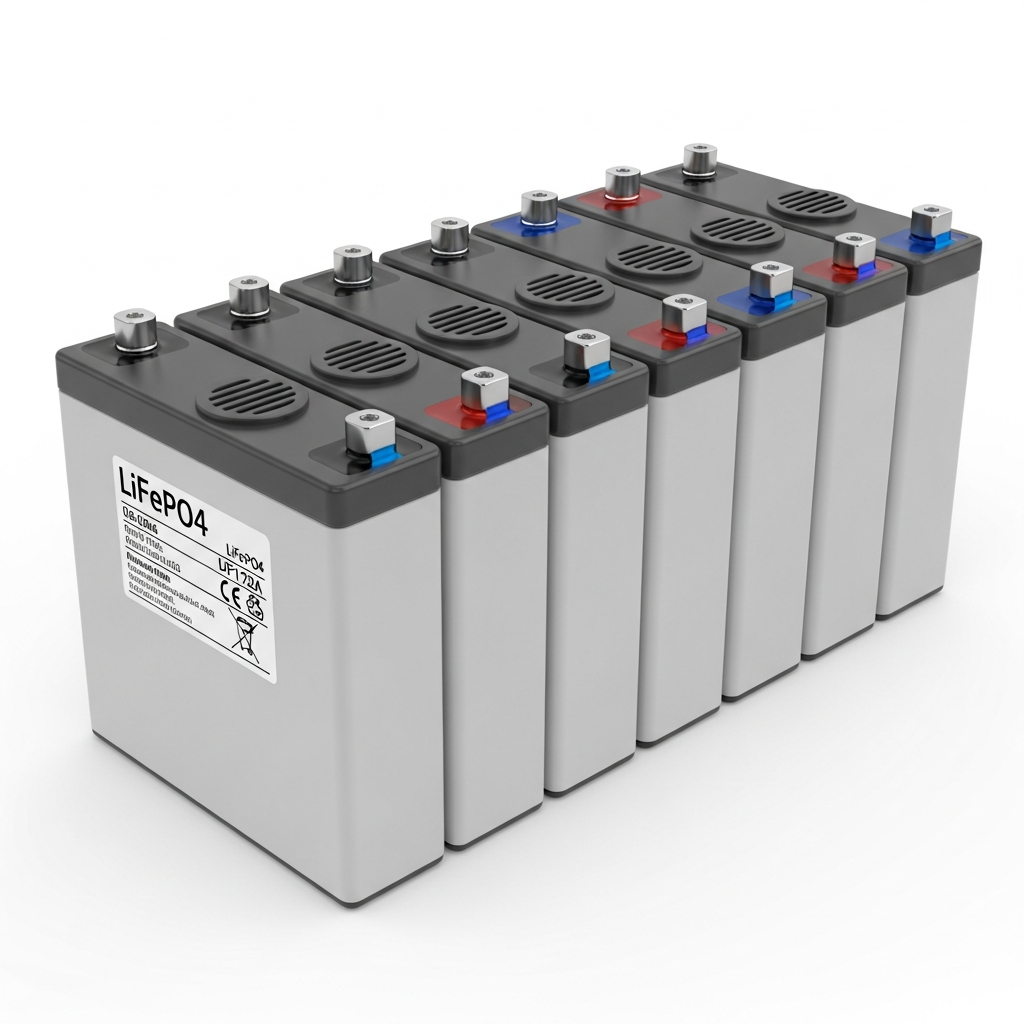
There is no new federal Residential Clean Energy Credit for a home battery installation completed in 2026. Section 25D ended for expenditures made after December 31, 2025. Qualifying standalone batteries installed in 2023 through 2025 could earn a 30% credit; unused eligible credit from 2025 can carry into 2026.
Updated September 30, 2026. This guide separates historical claims from today’s purchasing decisions. The IRS’s current Form 5695 instructions and termination FAQ, questions 1 and 7 explain the cutoff. Older advice promising 30% through 2032 no longer applies.
ShelterVolt explains backup-power systems and general tax rules. This guide does not determine your eligibility or replace advice from a tax professional.
For solar projects, read what the end of the residential solar tax credit means, including the distinction between an older eligible credit and a new installation.
The deadline has passed
For an existing home, the IRS treats costs as paid when the original installation is completed. A deposit, full prepayment, or signed contract in 2025 does not make a system installed in January 2026 eligible.
For costs connected with constructing or reconstructing a home, the timing rule is when your original use of that home begins. Use that rule rather than the order date or the date equipment arrived. The IRS’s termination FAQ specifically confirms that paying before the deadline does not rescue a later installation or construction project.
| Project timing | Section 25D battery credit |
|---|---|
| Qualifying standalone battery installation completed in 2023–2025 | Historical 30% credit, subject to the full rules |
| Installation completed after December 31, 2025 | No new credit, even with a 2025 prepayment |
| Unused eligible 2025 credit | May carry into 2026; this does not qualify a new installation |
Budget a new battery system using the full installed quote. Do not subtract 30% from a 2026 purchase.
Historical standalone battery eligibility: 2023–2025
Standalone battery storage became an eligible category beginning in 2023. Do not apply that change to a standalone battery installed in 2022. Older solar-connected installations require their own tax-year rules, rather than this standalone-battery shortcut.
For the 2023–2025 category, solar charging was not required. The IRS’s credit overview and Form 5695 instructions describe battery storage installed in connection with a home in the United States, with capacity of at least 3 kilowatt-hours.
Capacity is one condition, not an eligibility certificate. A model name, a 3kWh specification, or a manufacturer’s advertisement does not establish the installation date, residential use, qualified costs, or your ability to use the credit. The portable power station guide explains why a large portable battery still needs individual review.
Check the full IRS rules for your tax year, including home and use requirements, joint occupancy, and business use. The 2025 instructions say that if less than 80% of an item’s use is nonbusiness, only the nonbusiness share of costs can be used. That is more specific than simply excluding every home with an office.
Which historical costs to review
The IRS allows qualified battery storage costs and properly allocable labor for onsite preparation, assembly, or original installation, plus piping or wiring that connects qualifying property to the home.
That does not make every line of a contractor’s invoice eligible. Ask for an itemized invoice so you can distinguish the battery and its qualifying installation from unrelated work. Have uncertain charges, such as a broader panel upgrade, permits, warranties, financing, or bundled services, reviewed under the applicable rules. This guide does not promise blanket treatment for those costs.
Rebates and subsidies also matter. The 2025 instructions require reducing the product cost for a public-utility subsidy excluded from gross income, including one received by a contractor on your behalf. Do not calculate a federal credit on an unreduced quote and then automatically stack every rebate on top.
A historical calculation, not a 2026 discount
Suppose a qualifying installation completed in 2025 had $15,000 of eligible costs after any required adjustments. The tentative 30% credit would be $4,500. Those are hypothetical figures, not a product quote or a guarantee of eligibility.
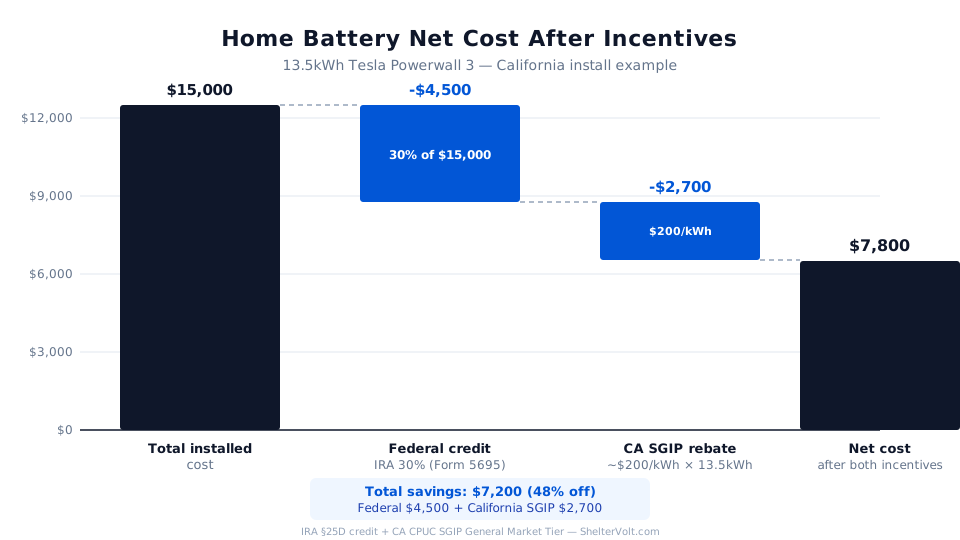
The credit is nonrefundable: the amount usable on the return is limited by the applicable tax-liability calculation. It is not a cash rebate for buying equipment. It can still increase a refund of taxes already withheld or paid; nonrefundable does not mean that every filer receives no refund.
If the Form 5695 worksheet leaves a $3,000 credit limit in this hypothetical, the usable credit is $3,000 and the remaining $1,500 carries into 2026. The 2025 instructions explicitly provide for that carryforward. Use the applicable year’s form for later filings; carryforward is separate from eligibility for new expenditures.
Claiming a qualifying 2025 installation
Use 2025 Form 5695, Part I for a qualifying 2025 battery installation. Its capacity question is on line 5a and qualified battery costs go on line 5b. The calculation proceeds through the credit and tax-liability limit; the amount claimed flows to Schedule 3, line 5a.
The 2025 Form 5695 walkthrough explains those steps and the carryforward. Do not put the unused amount directly on the next year’s Schedule 3 without calculating it on the applicable Form 5695.
Keep the equipment specifications, any written manufacturer certification, itemized invoices, payment records, and installation/permit/inspection records. Those records help establish what was installed, where, when, and what you paid. A manufacturer’s document does not guarantee that your entire project qualifies.
For a missed earlier claim or an amendment, use the return and instructions for the actual tax year. Do not apply 2025 line numbers to every past return.
State and utility programs need a separate check
The federal credit’s end does not tell you whether a state or utility program is open. Funding, eligibility, reservation rules, grid-service commitments, and incentive amounts can change independently.
Start with your utility and state energy office, then read the current program rules before including a payment in your budget. The California SGIP guide is a starting point for that program, but verify the administrator’s current terms. A listing in DSIRE can help locate a program; it is not an award or proof that funding is available.
Comparing batteries and generators now
Ordinary residential fossil-fuel generators are not qualifying Section 25D battery storage. But a new 2026 battery installation also gets no new Section 25D credit. Compare the full installed costs, capacity, fuel needs, maintenance, and loads served, rather than an expired 30% discount.
Before asking for quotes, work out your loads with the home generator sizing calculator, then compare the whole house battery backup systems. For an existing 2025 installation, collect the records and check the tax-year instructions before filing.