Best whole house battery backup systems
Battery marketing is worse than generator marketing. At least generator salespeople tell you what they’re selling. Battery companies wrap everything in a solar pitch, sustainability language, and lifestyle branding, and then bury the actual specs three pages deep in a spec sheet you have to request separately.
I bought the wrong system the first time. Not the wrong brand — the wrong architecture for my situation. It took me three months, a $1,200 return shipping bill, and a very patient licensed electrician to sort it out. This guide is the one I wish I’d had.
Before you look at a single brand: use the home generator sizing calculator to understand what you’re actually trying to power. System size flows from load requirements. Not from a YouTube review or a showroom floor.
What to look for before you pick a brand
Chemistry: LFP vs NMC
Most home battery systems sold today use one of two lithium chemistries. Understanding the difference will save you from buying something that degrades faster than you expected.
NMC (Nickel Manganese Cobalt) is the chemistry in most laptop batteries and early electric vehicles. Higher energy density means smaller, lighter packs. But NMC cells are more susceptible to thermal runaway — the chain reaction that turns a battery fire into a serious structural event. Cycle life ranges from 500 to 1,000 full charge/discharge cycles before significant capacity loss.
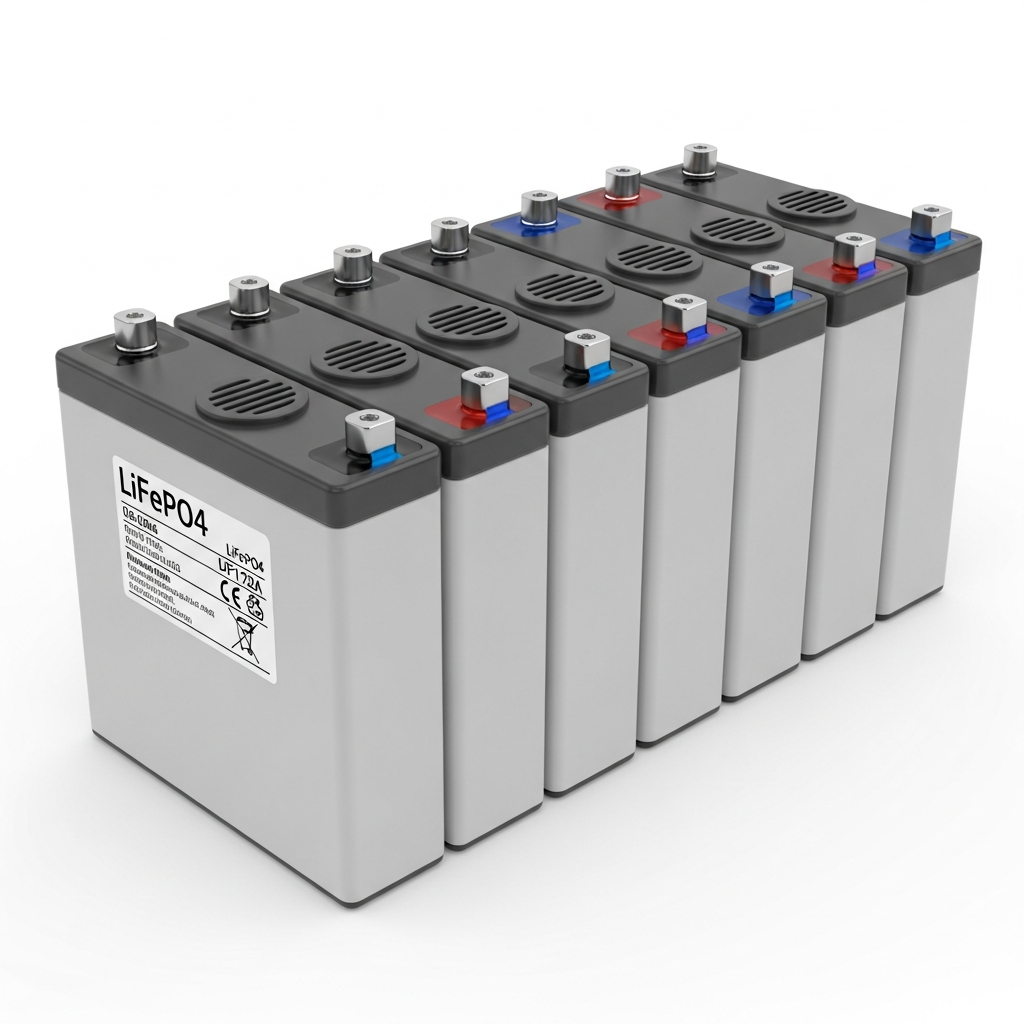
LFP (Lithium Iron Phosphate, sometimes called LiFePO4) is heavier per kWh stored, but it runs 3,000 to 6,000 cycles before meaningful degradation. It doesn’t thermal runaway the same way NMC does — the chemistry is inherently more stable. Every system I recommend in this guide uses LFP. For a battery sitting in your garage or attached to the exterior of your house, that stability matters.
One note on energy density: yes, LFP packs are larger and heavier per kWh. For a home battery, that’s irrelevant. You’re not carrying it anywhere.
Capacity and expandability
10kWh is the practical floor for meaningful whole-home backup. Below that, you’re powering essentials only — refrigerator, some lights, phone charging. Which might be fine, but know what you’re buying.
Pull your last 12 utility bills and calculate your average daily consumption in kWh. That number is your baseline. A 10kWh battery covers roughly one average day for most homes. 20kWh gets you through two days without solar recharging. If you have an all-electric home with a heat pump, electric water heater, and an EV charger, daily consumption might be 50–80kWh and you’ll need to think much more carefully about what loads you’re willing to drop during an outage.
Most systems expand in modules. Know the maximum stack size before you commit.
Power output matters as much as storage
This is the mistake I made. I looked at kWh capacity and completely ignored continuous output in kW. They measure different things.
Capacity (kWh) tells you how long the battery lasts. Output (kW) tells you what it can run at any given moment. A 13.5kWh battery with only 5kW continuous output can charge your phone, run your refrigerator, and power your lights — but it can’t start a 3-ton heat pump compressor. That compressor pulls 8–10kW at startup.
Check both numbers. For every appliance you’re planning to power, you need to understand the difference between starting watts vs running watts. Motor loads like well pumps, air conditioners, and sump pumps draw two to three times their running load at startup. A battery that looks adequate on paper can fall flat on its face at the moment you need it most.
Inverter architecture: DC-coupled vs AC-coupled
If you have solar, this matters. If you don’t, skip ahead.
DC-coupled systems have the inverter built into the battery unit. Solar DC comes in, battery stores it as DC, inverter converts to AC for your home in a single step. More efficient, simpler installation, generally lower cost. Most new systems launching in 2024–2025 are DC-coupled.
AC-coupled systems use a separate external inverter. Solar converts to AC first, then converts back to DC for storage, then inverts to AC again for use. Less efficient, but far more flexible for retrofitting an existing solar installation.
For a new installation with no existing solar, DC-coupled is the better choice. For a home with an existing non-Enphase solar system, the right call depends on your existing inverter setup — ask your electrician.
Grid charging: don’t assume
Not all battery systems charge from the grid. Enphase IQ batteries, by default, only charge from solar. Tesla Powerwall 3, EcoFlow Delta Pro Ultra, and FranklinWH all charge from solar, the grid, or a generator. If you want a battery system that can top off overnight at cheap utility rates — or charge up before a predicted storm — confirm the system explicitly supports grid charging before you buy.
The four systems worth your time
Tesla Powerwall 3
Specs: 13.5kWh usable capacity, 11.5kW continuous output, LFP chemistry, built-in inverter (DC-coupled). Hardware: approximately $11,500 before installation.
The Powerwall 3 is the best-known system for good reason. 11.5kW continuous output is the highest of any single residential battery unit on the market — it can handle two air conditioning systems or a well pump and central AC simultaneously. The gateway and automatic transfer switch functionality is now integrated into the unit itself, which reduces installation complexity and cost compared to earlier Powerwall versions.
The app is genuinely good. Monitoring, time-of-use optimization, and storm watch mode (automatically charges to 100% when a weather event is predicted) all work reliably. Warranty is 10 years with unlimited cycle guarantee.
The downsides are real. It’s a Tesla-only ecosystem. You can stack up to four units for 54kWh, but you can’t mix in other brands. And you’re dependent on Tesla’s installer network, which varies significantly by region. Lead times have stretched to 4–6 months in some markets.
Cost per kWh (hardware only): ~$850/kWh
EcoFlow Delta Pro Ultra
Specs: 6kWh base unit, expandable to 90kWh by adding battery modules. 7.2kW continuous output per hub unit. LFP chemistry. Price ranges from $5,000 for a base unit to $20,000+ for a fully expanded home system.
The Delta Pro Ultra’s story is portability-to-permanence. You can buy the base unit as a standalone power station and then add the Smart Home Panel 2 to integrate it into your home’s electrical panel as a full battery backup system. That makes it the most flexible system here — you can start small and expand over time without buying an entirely new system.
The expandability is its real selling point. Expanding to 18kWh drops the per-kWh cost meaningfully, and you can keep adding modules. If your load requirements grow — EV in the garage, new heat pump — you add capacity instead of replacing the system.
Best choice for flexibility, for buyers who want to start smaller and expand, and for situations where a contractor-installed permanent system isn’t practical.
Cost per kWh (hardware only): ~$830/kWh at 6kWh, drops to ~$600/kWh at 18kWh
Enphase IQ Battery 5P
Specs: 5kWh per unit, stackable up to 4 units (20kWh). LFP chemistry. AC-coupled microinverter architecture. Price: $4,000–$5,000 per unit before installation.
The Enphase system is the right answer if you already have Enphase solar. The microinverter ecosystem integrates cleanly and the monitoring through the Enphase app is genuinely excellent. Installation on an existing Enphase system is straightforward for any Enphase-certified installer.
It’s a poor choice for solar-free backup. Grid charging requires a separate configuration and is not enabled by default — Enphase designed this system around solar first. If your goal is a battery that charges from the grid overnight during off-peak hours, or that pre-charges before a storm, you’ll need to specifically confirm and configure that capability.
The per-kWh hardware cost is the highest of the four systems here. The value proposition is integration with an existing Enphase solar installation, not standalone cost efficiency.
Cost per kWh (hardware only): ~$900/kWh
FranklinWH aGate + aPower
Specs: 13.6kWh per unit, stackable. 10kW continuous output. LFP chemistry. Charges from solar, grid, and generator. Hardware cost comparable to Powerwall 3.
This is the one most homeowners haven’t heard of, and it’s the one I’d tell a friend to look at hardest.
FranklinWH has built their market share almost entirely through installers rather than direct consumer marketing, which is why the brand recognition is low. The trade-off: installer familiarity is high, which tends to produce cleaner installations and fewer post-install issues. In independent installer surveys from 2024 and 2025, FranklinWH has consistently ranked above Tesla on installation quality and warranty support responsiveness.
The warranty terms are better than Powerwall 3’s on paper — 12 years at 70% capacity retention. And unlike Tesla, FranklinWH will work with a wider range of solar inverters without requiring a full ecosystem swap.
If a local installer you trust actively recommends FranklinWH, take that seriously.
Cost per kWh (hardware only): ~$850/kWh
Side-by-side cost comparison
| System | Capacity | Continuous Output | Chemistry | Hardware Cost | $/kWh |
|---|---|---|---|---|---|
| Tesla Powerwall 3 | 13.5kWh | 11.5kW | LFP | ~$11,500 | ~$850 |
| EcoFlow Delta Pro Ultra | 6–90kWh | 7.2kW/hub | LFP | $5,000–$20,000+ | $600–$830 |
| Enphase IQ Battery 5P | 5–20kWh | 3.84kW/unit | LFP | $4,000–$5,000/unit | ~$900 |
| FranklinWH aGate | 13.6kWh+ | 10kW | LFP | ~$11,600 | ~$850 |
Hardware cost is only half the story.
What installation actually costs
This is where buyers consistently get surprised. The numbers below are realistic ranges based on typical residential installations.
| Cost component | Low end | High end |
|---|---|---|
| Battery hardware | $5,000 | $20,000 |
| Electrical labor (licensed electrician) | $1,500 | $4,000 |
| Panel upgrade (if 200A service upgrade needed) | $2,000 | $5,000 |
| Permitting | $200 | $500 |
| Total installed | $8,700 | $29,500 |
Older homes are the wild card. If your electrical panel is already at capacity or still running 100-amp service, you’ll need a panel upgrade before the battery system can be installed. That’s $2,000 to $5,000 in additional work that won’t show up in a battery quote. Ask your electrician to evaluate your panel before getting system quotes.
Plan for $15,000 to $30,000 fully installed for most residential systems. That’s not the number the marketing materials show you. It’s the number from the permit-and-inspection-completed installation.
The federal tax credit ended for new installations
The Residential Clean Energy Credit is Section 25D, not Section 48D. The IRS’s 2025 Form 5695 instructions say no new credit is available for expenditures made after December 31, 2025. For an existing home, costs are treated as paid when original installation is completed; for construction or reconstruction, the original-use timing rule applies. A 2025 prepayment does not preserve eligibility for a 2026 installation.
Qualifying standalone batteries installed in 2023–2025 could earn a 30% credit. A brand or 3kWh capacity alone did not establish eligibility. Unused eligible 2025 credit can carry into 2026, subject to the applicable filing rules and tax-liability limit.
For a new system, compare the full installed quote without subtracting 30%. Our battery storage tax credit guide separates historical claims, carryforward, and current purchasing decisions.
Which system is right for you
If you want the highest continuous output in a single unit and you’re comfortable with the Tesla ecosystem: Powerwall 3.
If you want flexibility to start small and expand, or you want a system you can move or reconfigure: EcoFlow Delta Pro Ultra.
If you already have Enphase solar and want tight integration: Enphase IQ 5P.
If your installer recommends FranklinWH and you want better warranty terms than Tesla with broader solar compatibility: FranklinWH aGate.
The brand is actually the last decision you should make. The right system size — in kWh and in kW output — has to come first, and that calculation depends entirely on your specific load and how many hours of backup you actually need.
Before you pick a brand, know your load. The size of system you need depends entirely on what you’re powering and for how long. Start here: home generator sizing calculator.