Manual vs automatic transfer switch
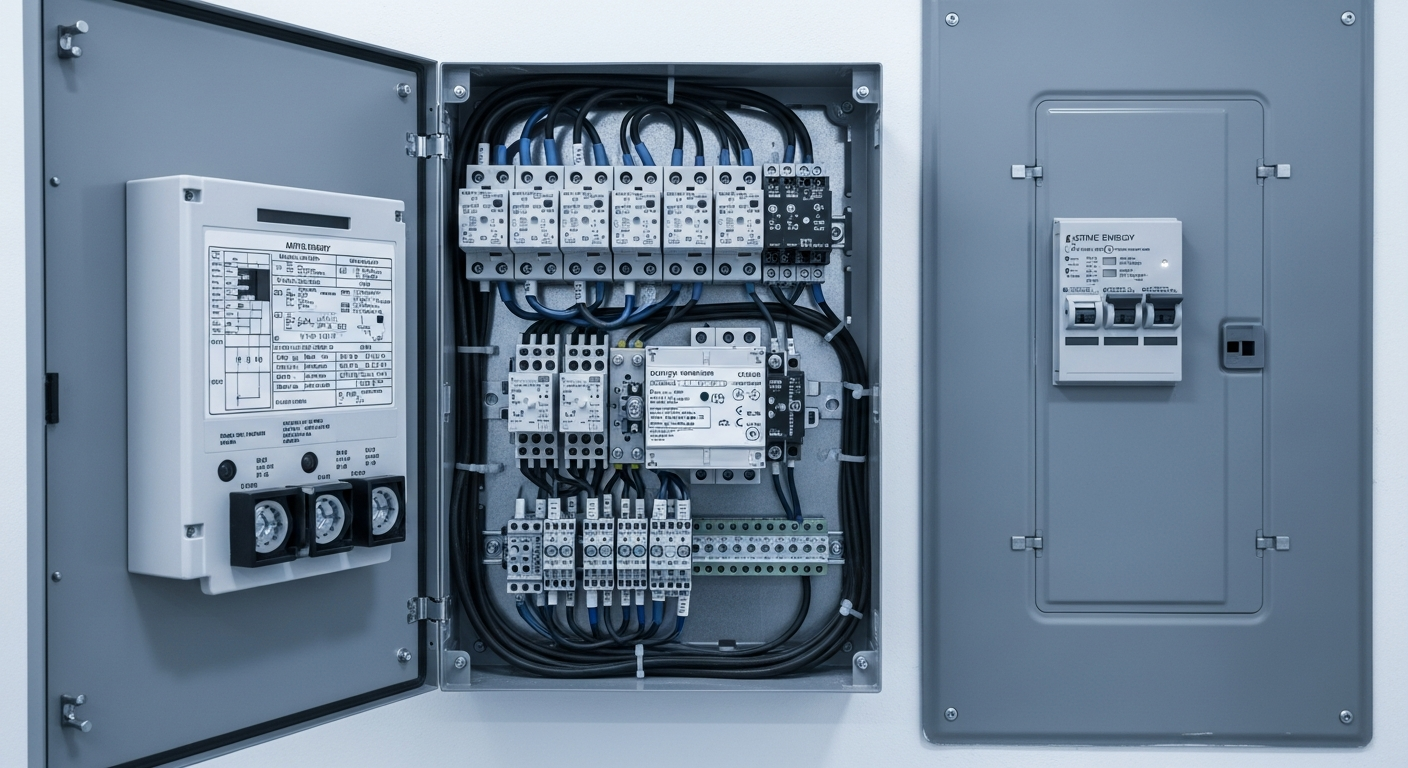
If you own a portable generator and you’re okay doing a little work during an outage, buy the manual transfer switch. If you need the house to save itself while you’re asleep, traveling, or stuck at work, pay for the automatic transfer switch. The switch-only price gap is usually a few hundred bucks. The real jump happens because automatic switching usually pulls you into a permanent standby generator, fuel work, and a bigger install.
If you have not decided whether you even need a subpanel, interlock, or ATS yet, start with the transfer switch for generator guide. This article is narrower. It is the head-to-head between manual and automatic once you already know you want transfer equipment.
The real difference is what happens after the lights go out
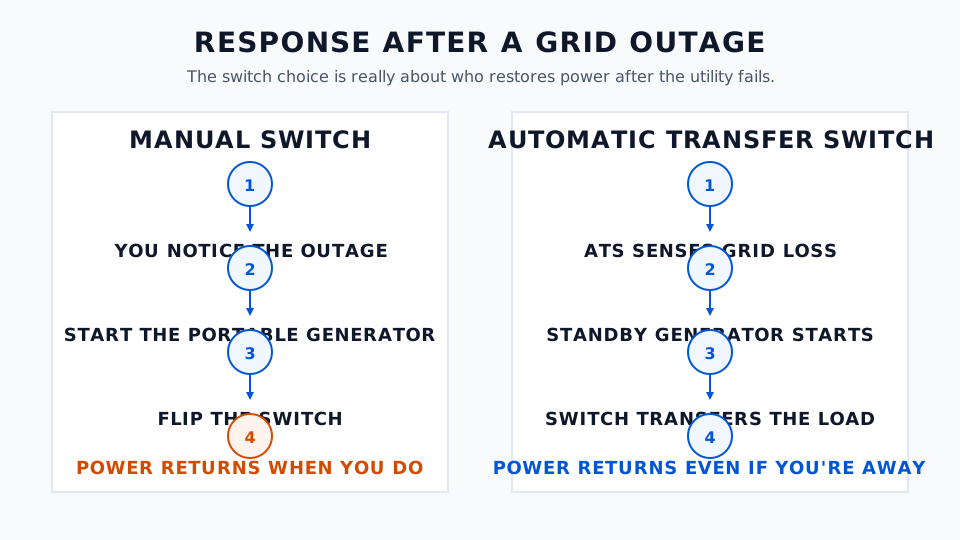
A manual transfer switch assumes you are part of the system. The utility dies, you notice it, roll out the generator, start it, plug it into the inlet, and flip the switch or rocker controls that move your selected circuits over to generator power. No you, no power.
An automatic transfer switch assumes the house has to react without you. The switch watches utility power, tells the standby generator to start, then transfers the load once the generator is stable. Generac describes home standby systems the same way homeowners do: they automatically kick in when they sense grid failure.
That is why people get tripped up by this choice. They think they are comparing two metal boxes. They are really comparing two very different outage plans.
How much more automatic really costs
The hardware gap is real, but it is smaller than most homeowners expect.
On March 30, 2026, Home Depot listed the Reliance Controls 10-circuit manual transfer switch kit at about $494. A Generac 200A automatic transfer switch was about $889, and the newer 200A service-rated model with built-in surge protection was about $1,039.
That does not mean the automatic project is only $395 to $545 more expensive. It means the switch hardware is. In the real world, the automatic option is usually bundled with a permanently installed standby generator, gas or propane work, startup commissioning, and more electrician time. Generac says installed home standby systems typically land in the $8,000 to $16,000 range.
| Option | What you’re usually buying | Hardware snapshot | Cost direction |
|---|---|---|---|
| Manual transfer switch | 6 to 10 critical circuits plus a portable-generator inlet | About $300 to $600 for common kits | Usually the cheapest code-compliant setup |
| Automatic transfer switch | ATS plus a permanently installed standby generator | About $889 to $1,399 for common residential switches | Usually thousands more once generator and fuel work are included |
The important part is this: if you compare switch to switch, automatic is pricier but not insane. If you compare full backup systems, automatic usually means a different class of project.
Manual makes sense for more homes than people think
If you already own a decent portable generator, a manual transfer switch is the obvious first quote to get. It keeps the project focused on the circuits that matter: fridge, freezer, furnace, sump pump, well pump, a few lights, internet. It also keeps you out of the “whole-house backup because outages annoy me” trap.
Manual switches are simpler. Fewer control boards. Fewer communication wires. Fewer things to diagnose when something acts weird five years from now. That matters.
They are also honest about the limitation. You have to be there. If you can live with that, why pay for automation you may use once or twice a year?
And if you want to spend even less, read interlock kit vs transfer switch. In some jurisdictions, an interlock gets you most of the benefit for substantially less money.
Automatic is worth it when downtime is expensive
This is where automatic wins fast.
If your basement floods when the sump pump sits dead for four hours, manual starts to look cheap only until the first storm hits while you are out of town. Same story if you travel often, own a second home, or need heat to come back on without anyone touching a panel. In those cases, “I will start the generator when I get home” is not a backup plan. It is a hope.
Automatic transfer switches are also the normal choice when you are buying a standby generator on purpose. That is the product category. The whole promise is that the house transfers itself. If you are already shopping permanent units, read the standby generator buying guide next.
What about portable generators with an ATS?
Usually, no. At least not in the way most homeowners mean it.
A normal pull-start portable generator cannot magically know the utility failed, start itself, warm up, and hand the house over to an ATS. That chain requires compatible controls between the generator and the switch. That is standard in standby-generator systems. It is unusual in ordinary homeowner portables.
There are edge cases. Generac’s HomeLink manual transfer switch works with portable generators today and can later be upgraded for automatic functionality with certain home standby generators up to 11 kW. That is a useful bridge product if you already know you are likely to upgrade later. But notice what that path does: it moves you from portable backup into standby backup. It does not turn a standard pull-start generator into a fully automatic whole-home system.
So if your question is, “Can I buy a cheap portable generator now and add an ATS later?” the honest answer is: maybe, but only if you choose equipment with that path in mind from day one.
My rule of thumb
Buy the manual transfer switch if all three of these are true:
- You already have, or plan to buy, a portable generator
- You are okay going outside and doing the startup sequence yourself
- Your real goal is protecting a short list of critical circuits, not pretending the outage never happened
Pay for the automatic transfer switch if any one of these is true:
- You need the house protected while you are away
- You are installing a permanent standby generator
- The cost of waiting even a few hours is higher than the cost of the automation
That last point matters most. Spoiled food is annoying. A flooded basement or frozen pipes are expensive.
If you are still on the fence, tell your electrician to quote both options against the same critical-load list. Same circuits. Same permit. Same site conditions. That strips the sales fluff out of the conversation.
Then read critical load panel vs whole house backup to decide how much of the house actually deserves backup. After that, go back to the home generator sizing calculator and size the power source instead of guessing.